Am I a Candidate for Dental Implants?
Portland, OR
A missing tooth changes more than your smile. It can change the way you chew, how clearly you speak, and even how your jawbone functions over time. Some people lose a tooth suddenly during an accident, while others notice gradual changes caused by decay or gum disease. No matter how it happens, many patients at East Portland Dentistry begin asking the same question once the gap appears, "Can dental implants work for me?" Dental implants have become one of the most trusted solutions for replacing missing teeth because they restore both appearance and function. Still, not everyone begins treatment under the exact same conditions. Age, oral health, bone structure, and lifestyle habits all play a role in determining candidacy. The good news is that many people who initially think they are not eligible may still qualify after preparatory treatment. What Makes Someone a Good Candidate for Dental Implants?Dental implants are designed to replace missing tooth roots and support restorations like crowns, bridges, or dentures. A good candidate is generally someone with healthy gums, enough jawbone support, and a commitment to maintaining oral hygiene. The jawbone is especially important because the implant needs a stable foundation. When a tooth is missing for a long period of time, the bone in that area may begin to shrink. Even if bone loss has occurred, modern dentistry offers procedures that may rebuild or strengthen the area before implant placement. Candidates should also be free from active oral infections. Untreated gum disease or severe decay may need attention before implant treatment begins. Once the mouth is healthy, the implant process can move forward more predictably. Can Age Affect Dental Implant Eligibility?Many people assume implants are only for older adults, but that is not true. Adults of many different ages may qualify for treatment. Younger patients may receive implants once the jaw has fully developed, while older adults often choose implants because they want a stable and long-lasting replacement option. Overall health is usually more important than age itself. Patients who maintain good health and follow professional recommendations often experience successful outcomes regardless of age group. A dental evaluation helps determine whether the body can heal properly after implant placement. How Gum Health Impacts Dental Implant SuccessHealthy gums are one of the most important parts of successful implant treatment. Gum tissue supports and protects the implant, just as it supports natural teeth. Patients with advanced periodontal disease may need treatment before moving forward with implants. Signs of gum disease can include:
Treating gum disease early helps create a healthier environment for implant placement. Regular cleanings and improved oral hygiene habits may help stabilize the gums before treatment begins. Do You Need Strong Jawbone Support?Jawbone density plays a major role in implant stability. After tooth loss, the bone no longer receives stimulation from chewing forces, which can cause gradual deterioration. The longer a tooth remains missing, the more likely bone shrinkage becomes. Fortunately, reduced bone volume does not always eliminate implant possibilities. Bone grafting procedures may rebuild weakened areas and prepare the jaw for implant placement. During a consultation, digital imaging allows the dentist to evaluate bone levels and determine whether additional treatment may be beneficial. Some patients may qualify for alternative implant techniques designed for areas with limited bone support. Advances in implant dentistry continue expanding treatment possibilities for patients who previously may not have qualified. Medical Conditions That May Affect Dental Implant TreatmentCertain medical conditions may influence healing and treatment planning. Conditions such as diabetes, autoimmune disorders, or osteoporosis do not automatically disqualify someone from implants, but they may require closer monitoring. Patients should always share their full medical history and current medications before treatment begins. Some medications can affect bone healing or increase infection risk. With careful planning and communication between healthcare providers, many patients with medical conditions still receive implants successfully. Smoking may also affect healing after implant surgery. Tobacco use reduces blood flow and may increase the risk of complications. Patients who stop smoking or reduce tobacco use often improve their chances of long-term implant success. What If You Have Been Missing Teeth for Years?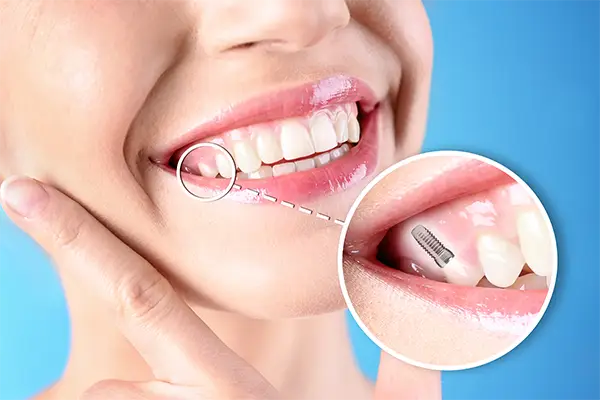
Some patients delay treatment because they believe too much time has passed since losing a tooth. Even when teeth have been missing for many years, implants may still be possible. Long-term tooth loss can lead to:
A thorough examination helps determine the current condition of the jaw and surrounding teeth. Preparatory procedures like bone grafting or periodontal treatment may help restore oral health and improve implant readiness. Why Oral Hygiene Matters Before and After ImplantsDental implants require ongoing care just like natural teeth. Patients considering implants should be willing to maintain consistent oral hygiene habits and attend regular dental visits. Good implant care typically includes:
While implants cannot develop cavities, the surrounding gum tissue still needs protection. Neglecting oral hygiene may increase the risk of peri-implant disease, which can threaten implant stability over time. What Happens During a Dental Implant Consultation?An implant consultation provides a complete evaluation of your oral health and treatment needs. The dentist examines the teeth, gums, bite alignment, and jaw structure while reviewing medical history and treatment goals. Digital X-rays or 3D scans may be used to evaluate bone levels and identify the ideal placement location for implants. This planning process helps improve precision and long-term function. Patients also have an opportunity to discuss concerns, ask questions, and learn about treatment timelines. Every smile is different, which is why implant recommendations are customized according to each patient's oral condition and goals. Schedule Your Dental Implant Consultation TodayMissing teeth can affect comfort, confidence, and oral health in ways that continue to progress over time. Dental implants offer a stable and natural-looking replacement option for many patients, even those who may have experienced bone loss or previous dental concerns. A professional evaluation at East Portland Dentistry is the best way to determine candidacy and explore the treatments available to support a healthier smile. Scheduling a consultation is the first step toward rebuilding function, improving oral health, and restoring confidence in your smile. Give us a call at (971) 484-1652. |
 Phone(971) 484-1652 HoursMonday – 8:00 am - 5:00 pm Tuesday – 7:00 am - 5:00 pm Wednesday – 8:00 am - 1:00 pm Thursday – 8:00 am - 6:00 pm Friday – 8:00 am - 5:00 pm |
