How Missing Teeth Can Change Your Life
Portland, OR
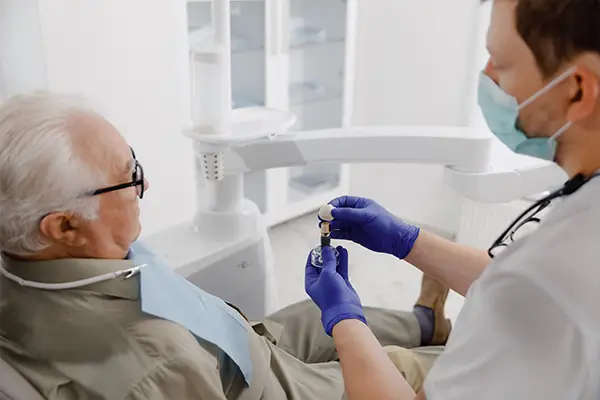 Most people associate missing teeth with an obvious gap in the smile, but the changes often extend much further than the mouth itself. Over time, tooth loss can reshape the structure of the face in ways that are easy to overlook until they become noticeable. Understanding the connection between missing teeth and facial appearance helps explain why timely dental restoration matters for more than just chewing and speaking. Most people associate missing teeth with an obvious gap in the smile, but the changes often extend much further than the mouth itself. Over time, tooth loss can reshape the structure of the face in ways that are easy to overlook until they become noticeable. Understanding the connection between missing teeth and facial appearance helps explain why timely dental restoration matters for more than just chewing and speaking.
Facial structure depends on a delicate balance between bone, muscle, and soft tissue, all working together to hold the cheeks, lips, and jawline in their natural position. Teeth and the bone surrounding them make up a significant part of that foundation. When a tooth is lost and that part of the foundation is removed, the surrounding structures gradually adjust, often in ways that become visible long before most people connect the change back to a dental issue.
If you have missing teeth, contact East Portland Dentistry at (971) 484-1652 to schedule an appointment. We will review your options with you.
The Hidden Support System Beneath Your Face
Teeth do more than allow you to bite and chew. Their roots are anchored in the jawbone, and every time you chew, that pressure sends a signal to the bone to maintain its density and volume. This natural stimulation keeps the jaw strong and helps preserve the underlying structure that supports your cheeks, lips, and lower face.
When a tooth is lost, that stimulation disappears in the affected area. Without it, the jawbone gradually begins to resorb, meaning the body slowly reabsorbs bone tissue it no longer receives signals to maintain. This process is often invisible in its early stages, but it continues steadily in the background for as long as the tooth remains unreplaced.
How Bone Loss Changes The Face
As jawbone density decreases, the effects eventually surface in a person's appearance. The lower face may begin to look shorter or less supported, and the skin around the mouth can start to sag as the underlying structure that once held it in place diminishes. Many patients describe this as looking older than they feel, even though the change is a direct result of bone loss rather than skin aging alone.
The lips can also be affected. Without adequate bone and tooth support behind them, the lips may appear thinner or begin to fold inward slightly, changing the overall shape of the mouth. Fine lines around the lips can become more pronounced, and the corners of the mouth may start to turn downward, contributing to a tired or aged appearance.
The Sunken Cheek Effect
One of the more noticeable signs of long-term tooth loss is a sunken or hollow appearance in the cheeks. This happens because the cheeks rely on the underlying bone and teeth for support and volume. As bone resorption progresses, especially when multiple teeth are missing, the cheeks can lose their natural fullness, creating shadows and hollows that were not present before.
This effect tends to be more pronounced in patients missing several teeth or an entire arch, but even the loss of one or two teeth in a visible area can begin to alter facial symmetry over time. Because this process happens gradually, many patients are surprised to learn how much of their changing appearance can be traced back to a tooth that was never replaced.
Family members or old photographs are often what first bring the change into focus. A side-by-side comparison over several years can reveal a noticeably different profile, one with less fullness in the cheeks and a jawline that appears to have receded. These are not simply signs of aging in the way most people assume, but a measurable structural change tied directly to the loss of tooth and bone support, and one that can continue to progress if the missing tooth is never replaced.
A Cycle That Builds On Itself
Left unaddressed, bone loss and facial changes tend to compound. As the jaw continues to lose density, remaining teeth can become less stable, increasing the risk of further tooth loss. Each additional missing tooth accelerates the same process in a new area, which is why patients who delay treatment often notice more significant facial changes over time than those who replace teeth promptly.
The encouraging part of this picture is that the process is not inevitable. Modern restorative options are specifically designed to replace the function of the tooth root, which helps maintain the stimulation the jawbone needs and can slow or prevent further bone loss in the area. The earlier a missing tooth is addressed, the more of the original bone structure there is to work with, which often makes treatment more straightforward and the results more predictable.
Restorative Options That Support Facial Structure
Several restorative approaches can address both the functional and structural effects of missing teeth.
The right choice depends on how many teeth are missing, the condition of the jawbone, and the patient's overall oral health.
| • |
Dental implants, which are placed directly into the jawbone to replace the tooth root and help preserve bone density
|
| • |
Implant-supported crowns, restoring a single tooth with a natural appearance and stable chewing function
|
| • |
Implant-supported bridges, which replace multiple missing teeth while distributing bite force evenly
|
| • |
Full arch implant-supported dentures, designed for patients missing most or all of their teeth
|
| • |
Bone grafting, which can rebuild lost bone volume in preparation for future restoration |
Each of these options is designed with long-term stability in mind, helping patients maintain not only a functional bite but also the natural facial support that healthy teeth and bone provide.
Protecting Your Smile And Your Facial Structure
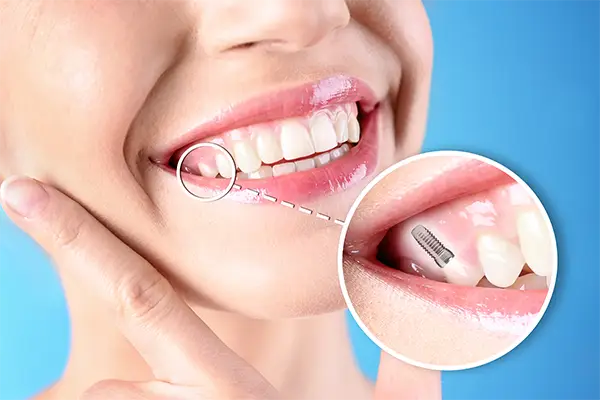 The connection between missing teeth and facial appearance is one of the most compelling reasons to address tooth loss sooner rather than later. At East Portland Dentistry, our dental team evaluates each patient's bone health and facial structure alongside their restoration goals, building a plan that supports both function and long-term appearance. The connection between missing teeth and facial appearance is one of the most compelling reasons to address tooth loss sooner rather than later. At East Portland Dentistry, our dental team evaluates each patient's bone health and facial structure alongside their restoration goals, building a plan that supports both function and long-term appearance.
If you have noticed changes in your facial structure or want to prevent further bone loss after losing a tooth, call East Portland Dentistry at (971) 484-1652 to schedule a consultation and explore your restoration options. Addressing tooth loss now can help preserve both the health of your jawbone and the natural appearance of your face. |