What Is Osseointegration for Implants? Portland, OR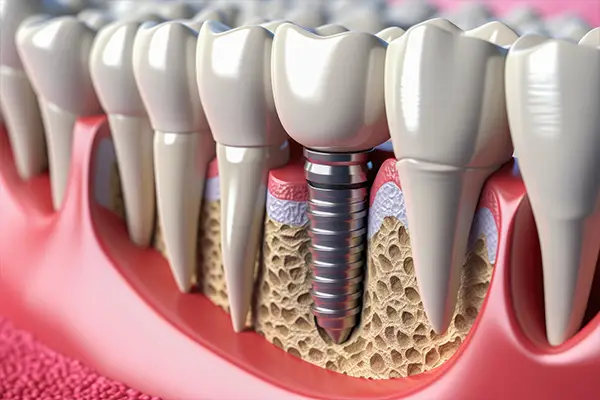 Dental implants have changed the way missing teeth can be replaced by offering a stable solution that closely mimics the function of natural teeth. However, the success of dental implant treatment depends on more than the implant itself. A critical biological process called osseointegration allows the implant to become securely connected with the jawbone, creating the foundation needed for a durable and functional restoration. Dental implants have changed the way missing teeth can be replaced by offering a stable solution that closely mimics the function of natural teeth. However, the success of dental implant treatment depends on more than the implant itself. A critical biological process called osseointegration allows the implant to become securely connected with the jawbone, creating the foundation needed for a durable and functional restoration.Osseointegration is the process that transforms a dental implant from a small medical device placed in the jaw into a stable part of the oral structure. Through this connection between the implant and surrounding bone, patients can enjoy improved comfort, strength, and confidence when eating, speaking, and smiling. How Dental Implants Depend On OsseointegrationA natural tooth is held in place by its root, which is surrounded by bone and supporting tissues. When a tooth is lost, the root is also lost, and the jawbone may gradually shrink because it no longer receives stimulation from normal chewing activity. Dental implants help address this concern by replacing the missing tooth root with an implant post. The implant is placed directly into the jawbone, where it begins the osseointegration process. Over time, bone cells attach to and grow around the implant surface. This creates a secure connection that allows the implant to provide stable support for a dental crown, bridge, or denture. Without osseointegration, an implant would not have the stability necessary to handle the daily forces placed on teeth. Every time a person bites or chews, pressure is transferred through the restoration to the implant and surrounding bone. The connection created during osseointegration helps distribute these forces effectively. The Science Behind Bone And Implant IntegrationOsseointegration is a complex biological process involving communication between the implant surface and the body's natural healing response. After implant placement, the body begins repairing the area by forming new bone tissue around the implant. The jawbone does not reject the implant because materials such as titanium are biocompatible, meaning they can work safely with the body. Instead, bone-forming cells attach to the implant surface and create new bone that gradually surrounds the implant. Several stages occur during this process:
This gradual process is why dental implants typically require a healing period before the permanent restoration is attached. Allowing adequate time for osseointegration helps ensure the implant has the strength and support needed for long-term use. Factors That Support Successful OsseointegrationSeveral factors can influence how effectively osseointegration occurs. Before recommending dental implant treatment, a dentist evaluates the patient's oral health, jawbone condition, and overall health history to determine whether the foundation is suitable for implant placement. Healthy bone is one of the most important factors. The jaw must have enough density and volume to hold the implant securely. If bone loss has occurred after tooth loss, procedures such as bone grafting may be recommended to improve the implant site. Maintaining excellent oral hygiene before and after implant placement also supports healing. Harmful bacteria around the implant area can interfere with the body's ability to heal properly. Following dental care instructions, attending follow-up appointments, and keeping the mouth clean all contribute to a healthy recovery. Lifestyle choices may also affect osseointegration. Habits that interfere with healing can increase the risk of complications. Patients should discuss their complete medical history and daily habits with their dentist so their treatment plan can account for factors that may impact healing. Advancements That Improve OsseointegrationDental implant technology continues to advance, helping dentists improve treatment outcomes and patient experiences. Modern implant designs focus on encouraging faster and stronger connections between bone tissue and implant surfaces. The surface characteristics of an implant play an important role in osseointegration. Specialized textures and treatments are used to help bone cells attach more effectively. Implant design, placement techniques, and digital planning tools have also improved the accuracy of treatment. Advanced imaging technology allows dentists to evaluate the jawbone in detail before implant placement. This information helps determine the ideal location for the implant while considering the surrounding bone, nerves, and other structures. These improvements allow dental professionals to create predictable treatment plans that support successful osseointegration and long-term implant stability. The Benefits Of A Fully Integrated Dental ImplantOnce osseointegration is complete, the dental implant provides a strong foundation that offers many advantages compared with other tooth replacement options. A stable implant allows patients to enjoy improved chewing ability and a more natural feeling when using their replacement tooth. Because the implant is secured within the jawbone, it does not move or shift like some removable appliances can. This stability can help patients feel more comfortable during everyday activities such as eating and speaking. Osseointegration also helps protect the jawbone by maintaining stimulation in the area where a tooth was lost. Preserving bone structure can support facial appearance and overall oral health. Protecting The Implant After OsseointegrationAlthough osseointegration creates a strong connection between the implant and bone, continued care is necessary to protect the surrounding tissues. Dental implants require many of the same maintenance habits as natural teeth. Patients should brush regularly, clean between teeth, and attend routine dental appointments. These visits allow the dentist to evaluate the implant, restoration, gums, and overall oral health. Avoiding excessive pressure on the implant is also important. Patients should not use their teeth to open packages or chew unusually hard items, as these habits may place unnecessary stress on the restoration. A Necessary ProcessOsseointegration is the essential process that allows dental implants to become a permanent part of the oral structure. By creating a direct connection between the implant and jawbone, this biological process provides the stability needed for comfortable and reliable tooth replacement. From the initial healing period to long-term maintenance, every stage of dental implant treatment plays an important role in supporting successful osseointegration. With proper planning, healthy oral habits, and professional dental care from East Portland Dentistry, patients can benefit from a restoration designed to restore both function and confidence. |
 Phone(971) 484-1652 HoursMonday – 8:00 am - 5:00 pm Tuesday – 7:00 am - 5:00 pm Wednesday – 8:00 am - 1:00 pm Thursday – 8:00 am - 6:00 pm Friday – 8:00 am - 5:00 pm |
