Multiple Tooth Implant
Portland, OR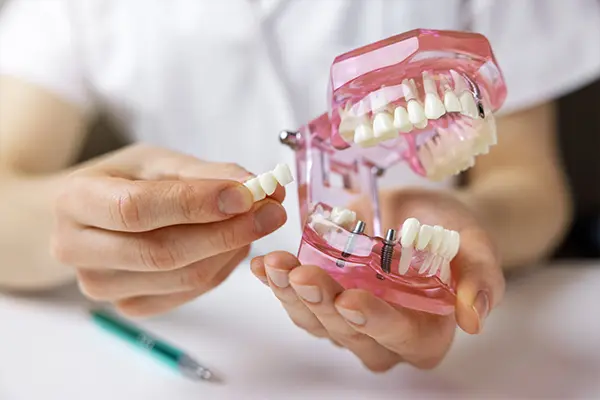
When multiple teeth are missing, patients typically have more than one option for restoring their smile. Traditional fixed dental bridges, removable partial dentures, and multiple tooth dental implants each represent a different approach to the same fundamental problem. Understanding how these options differ — in how they function, what they require of surrounding teeth and bone, and what patients can expect from them long-term — is an important part of making a well-informed treatment decision. This comparison is not meant to suggest that one approach is universally superior for every patient. Individual circumstances vary, and the right solution depends on factors specific to each case. What the comparison does reveal is why dental implants are increasingly the preferred option for patients at East Portland Dentistry who are eligible. How Traditional Bridges WorkA traditional fixed bridge has been used for decades to replace one or more missing teeth in a consecutive gap. The restoration is anchored by crowning the natural teeth on either side of the gap — called abutment teeth — and attaching a false tooth (or multiple teeth) between them. The result is a fixed, non-removable replacement that looks natural and restores basic function. The primary limitation of a conventional bridge is what it requires of the abutment teeth. In order to support the restoration, those teeth must be filed down substantially, even if they are otherwise completely healthy. This permanent alteration leaves them structurally compromised and dependent on the bridge for protection. Over the years, the underlying bone in the gap area continues to resorb, since no root is present to stimulate it. Bridges also have an average functional lifespan, typically requiring replacement after a number of years. How Removable Partial Dentures WorkRemovable partial dentures replace missing teeth using a metal or acrylic framework that rests on the gum tissue and clasps onto existing natural teeth. They are generally among the more accessible options from an immediate standpoint, and they can address multiple missing teeth in different areas of the mouth at once. The drawbacks become apparent with daily use. Partial dentures can shift while eating or speaking, which many patients find uncomfortable and embarrassing. Clasps that attach to natural teeth can apply stress to those teeth over time. The appliance must be removed for cleaning and typically at night. Like bridges, partial dentures do not prevent the jawbone from resorbing beneath the empty spaces, so the fit of the appliance tends to change as bone loss progresses — often requiring periodic adjustments or eventual replacement of the prosthetic. How Multiple Tooth Implants CompareMultiple tooth implants take a fundamentally different structural approach. Rather than resting on top of the gum tissue or relying on adjacent teeth for support, implant posts are placed directly into the jawbone. They function as artificial tooth roots, and the restorations — crowns, bridges, or arch prosthetics — are secured on top of those posts. This root-level integration is what distinguishes implants from every other tooth replacement method. The surrounding bone is actively stimulated by the implant posts during function, which prevents the resorption that follows natural tooth loss. Adjacent healthy teeth are not altered or compromised. The restorations are fixed in place and do not move during eating or speaking. And unlike conventional bridges or partial dentures, implant-supported restorations do not depend on the health of neighboring teeth to remain functional. Functional Differences in Daily LifeFor patients living with a bridge or partial denture, the difference in function when switching to implants is often described as significant. Implant-supported restorations allow patients to chew with full force across the arch without worrying about movement or discomfort. There are no food restrictions tied to protecting a restoration or stabilizing a removable appliance. The maintenance routine for implants is also more straightforward. Implant-supported restorations are brushed and flossed much like natural teeth. There is no nightly removal, no soaking solution, and no adhesive. Routine professional cleanings and periodic examinations are all that is required beyond diligent home care. Preservation of Surrounding StructuresOne of the most clinically important advantages of implants over other options is their effect — or rather, their absence of negative effect — on surrounding structures. Conventional bridges permanently damage otherwise healthy teeth. Partial dentures apply pressure to the teeth they clasp. Neither option does anything to address jawbone resorption in the areas where teeth are missing. Implants, by contrast, preserve the bone around them, protect adjacent teeth by not requiring any modification, and stand completely independent within the mouth. Over time, this preservation matters. Patients who have worn partial dentures for many years may find that the changes in their bone structure have made other tooth replacement options more limited. Implant patients who maintain good oral hygiene tend to retain the bone and tissue health needed for the restorations to function well for many years. When Other Options May Be AppropriateDental implants are not the only valid choice in every situation. Patients who are not surgical candidates due to certain health conditions, those with significant bone loss who prefer not to undergo grafting, or patients seeking a less involved immediate solution may be better served by a bridge or partial denture in the short term. In some clinical situations, a combination of approaches — for example, an implant-supported bridge alongside a single-crown implant in a different area — offers the most practical outcome. The goal of any evaluation is to identify the option that best serves the patient's long-term oral health, functional needs, and personal preferences, not to default to the most advanced approach simply because it is available. Discuss Your Options with Our Team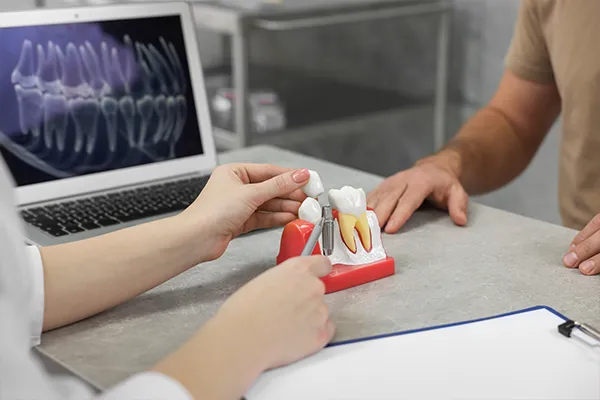
If you are trying to decide which tooth replacement approach is right for you, a thorough evaluation is the most important first step. At East Portland Dentistry, our team will review your specific situation, walk you through every option that applies to your case, and give you honest guidance so you can make a confident, well-informed decision. To schedule your consultation, call us today at (971) 484-1652. |
 Phone(971) 484-1652 HoursMonday – 8:00 am - 5:00 pm Tuesday – 7:00 am - 5:00 pm Wednesday – 8:00 am - 1:00 pm Thursday – 8:00 am - 6:00 pm Friday – 8:00 am - 5:00 pm |
